
SERVICES10
SERVICE AREAS14
LED lighting installation
Recessed can lights, under-cabinet strips, LED retrofits and fixtures. Laid out on the ceiling before we cut, so the result looks deliberate instead of improvised.
Per-fixture pricing drops sharply with quantity. A twelve-can living room costs far less per light than one can added to a finished ceiling later — batch what you can.
What we do most
If two or more of these describe your house, it is worth a free estimate. If none of them do, you probably do not need us yet — and we would rather tell you that now.
Which kind of lighting are you after?
Most of our lighting jobs are one of these three, and many are all of them.
Can & wafer lights
Even glare-free ceiling light
Wafer LEDs need no housing, so they fit tight joists and ceilings under a second floor.
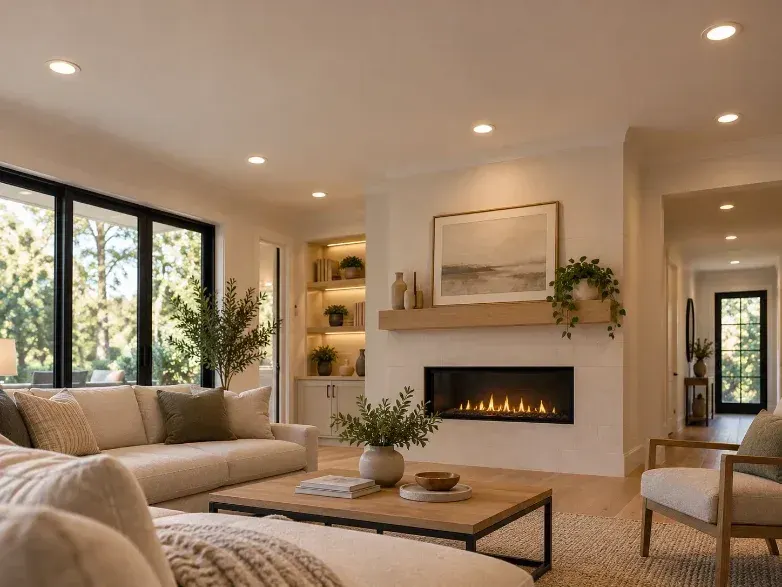
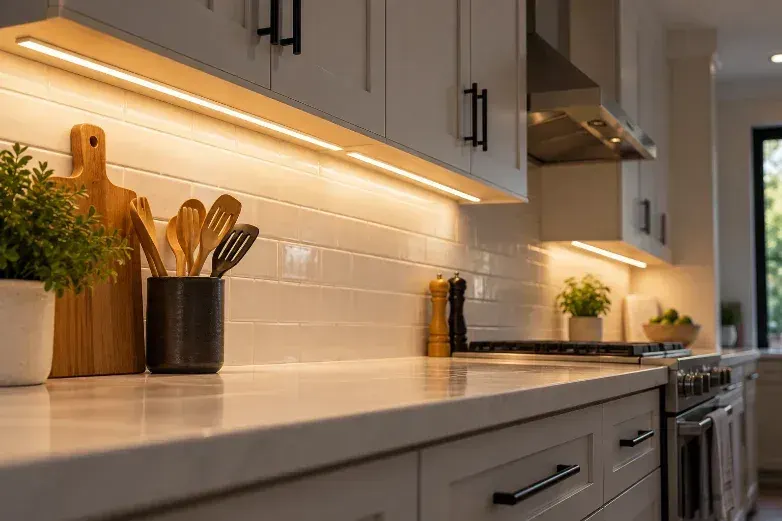
Task lighting
Biggest upgrade per dollar
Hardwired LED strips under kitchen cabinets. No more cooking in your own shadow.
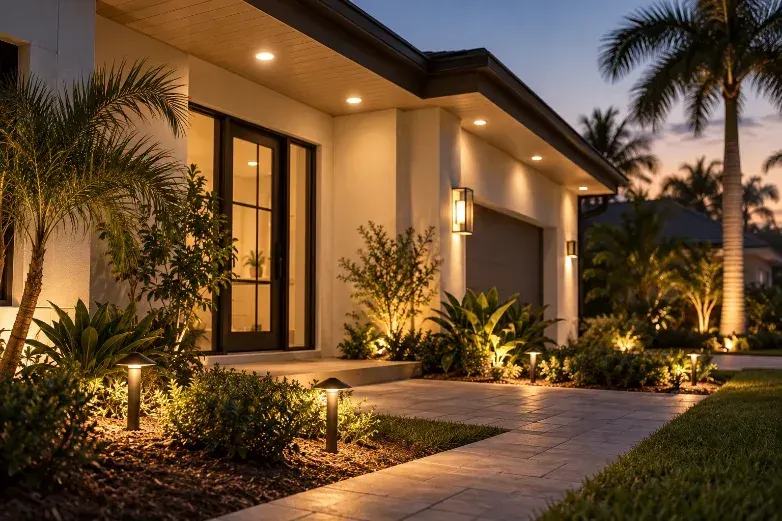
Landscape & security
Dusk–dawn timers & photocells
Path, soffit and flood lights on timers or motion, wet-rated and sealed for Florida rain.
Fixtures and controls we install
Lights and dimmers made to work together — the fix for most flicker and buzz.

5 things set your price.
Per-light cost drops sharply when we do several at once.
An attic above is easier than a second floor.
Some rooms need one; most can share.
Wafer vs. housing, and chandelier or high-ceiling work.
Dimmers, smart switches, timers and motion.
Real numbers.
Not "call for pricing."
Nobody else in this market publishes ranges, which is exactly why we do. You will get an exact number at the estimate — this is so you know whether to bother calling.
We price match any written quote from another licensed, insured contractor. Military, first responders and teachers get a discount — just say so on the phone, no coupon to find.
Three ways to add recessed lighting. Pros and cons of each.
Your ceiling and your old cans decide which one fits.
LED retrofit trims
Canless wafer lights
New housings & trims
Before your lighting estimate.
A quick walk-through on your phone helps us quote accurately.
Where you want light, and roughly how much.
Attic, or another floor?
Decide now — it changes the wiring.
Warm 2700–3000K, or cooler 4000K for work areas.
We light the room the way you use it.
How it goes
Most people's worry is not the price, it is not knowing what is about to happen in their house. So here it is.
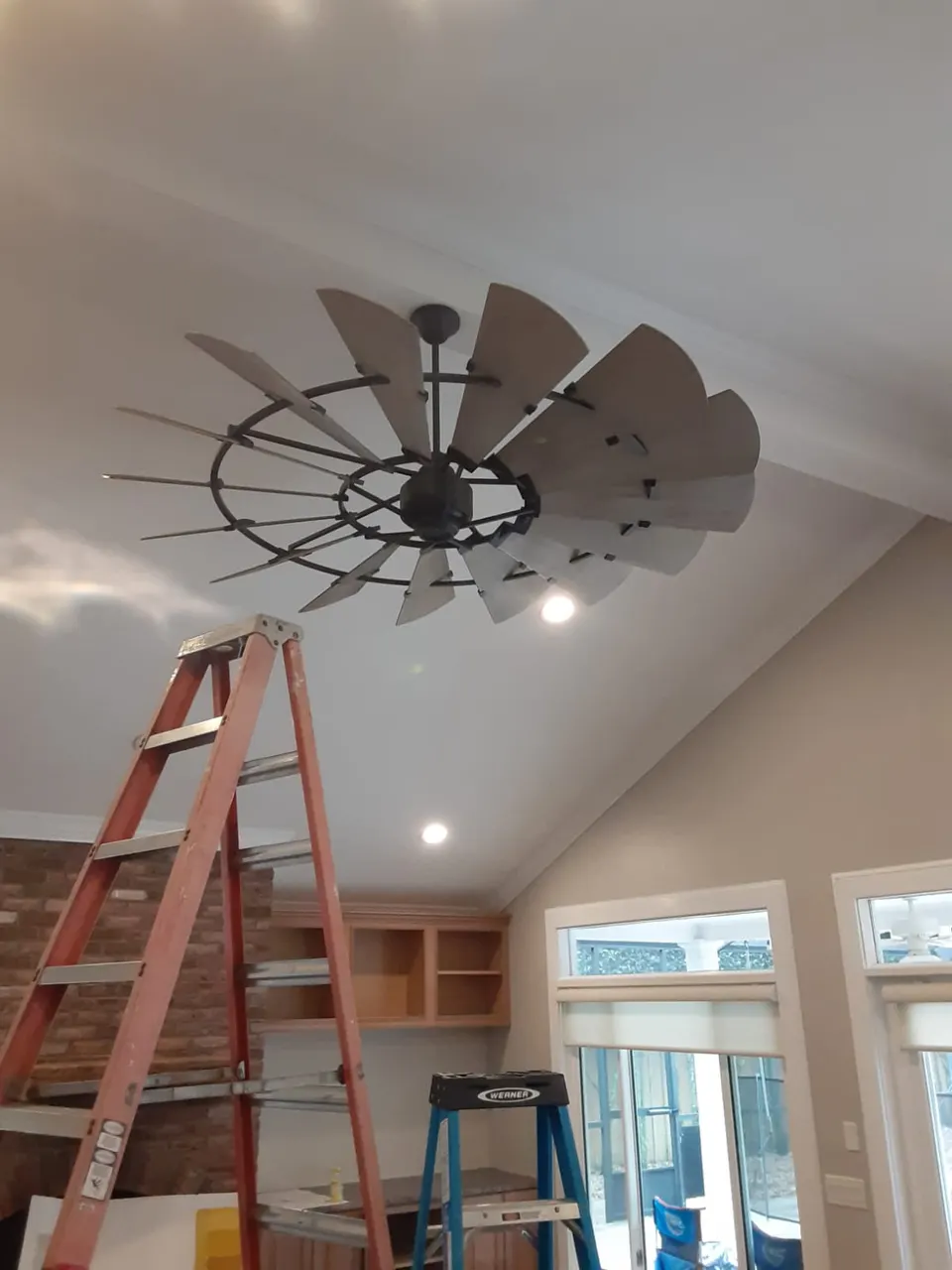
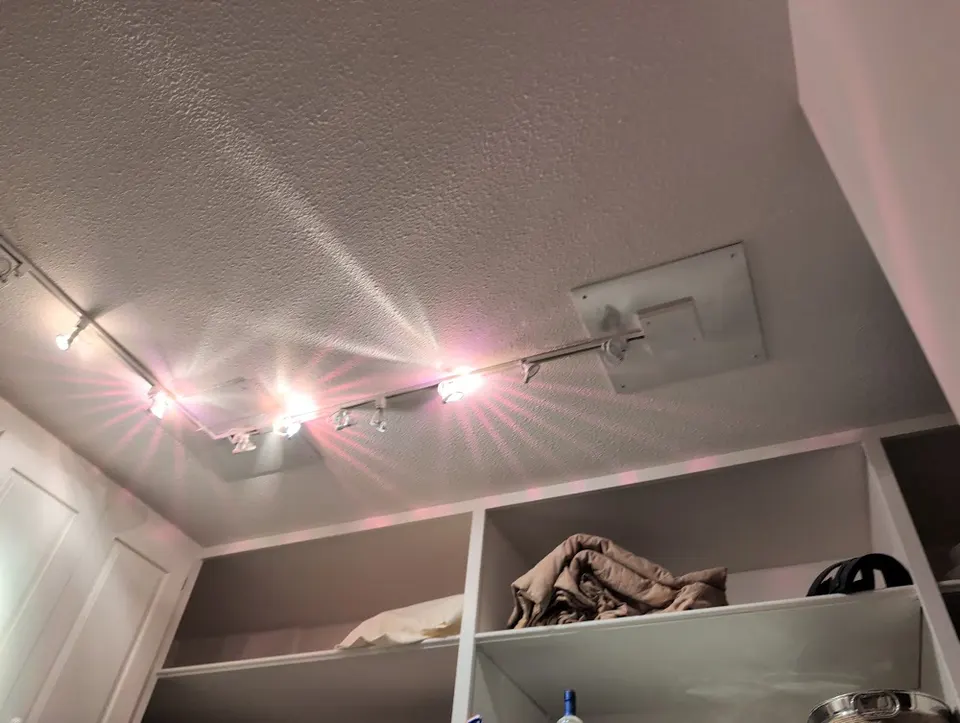
Recent jobs, LED lighting
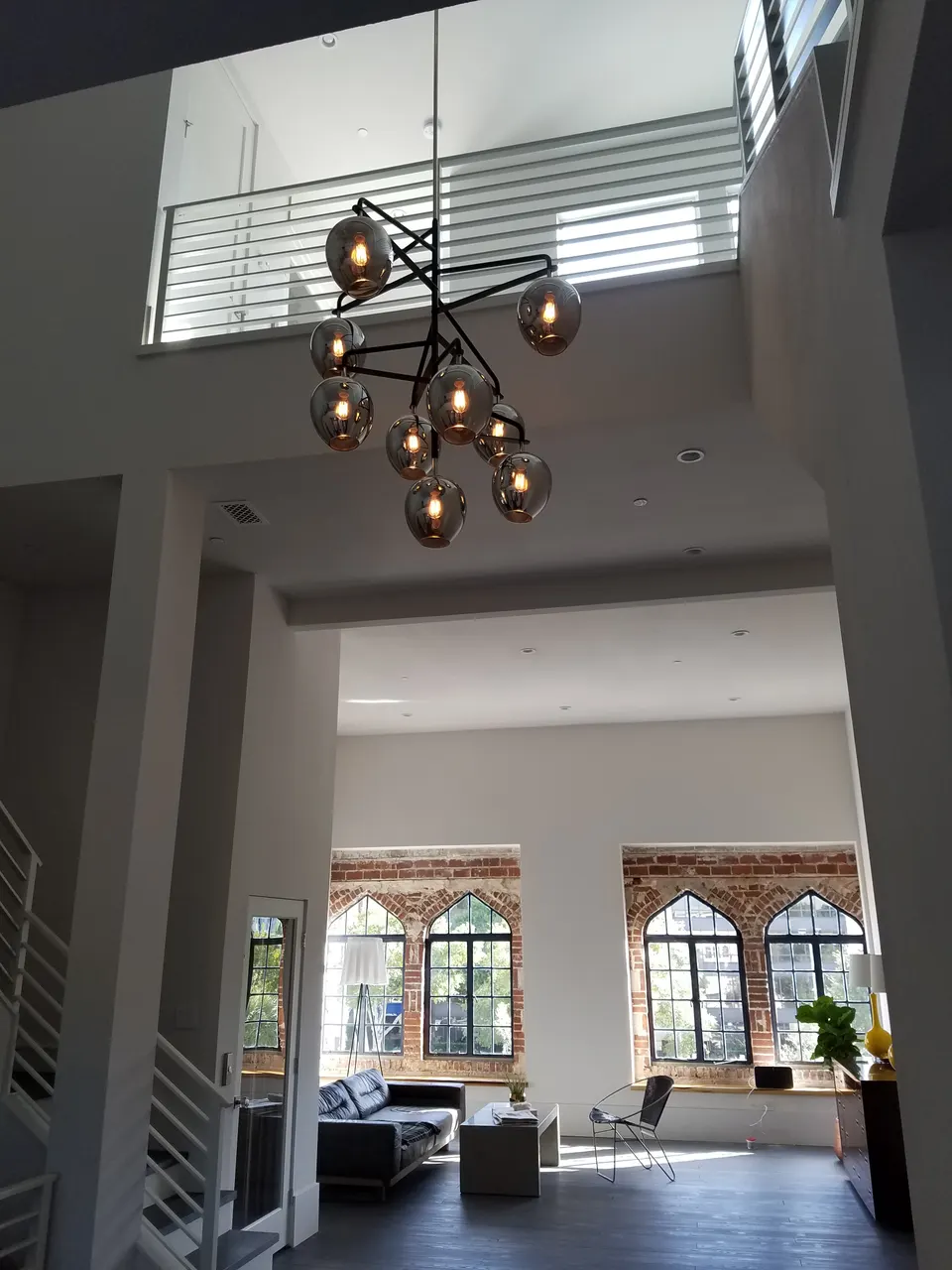
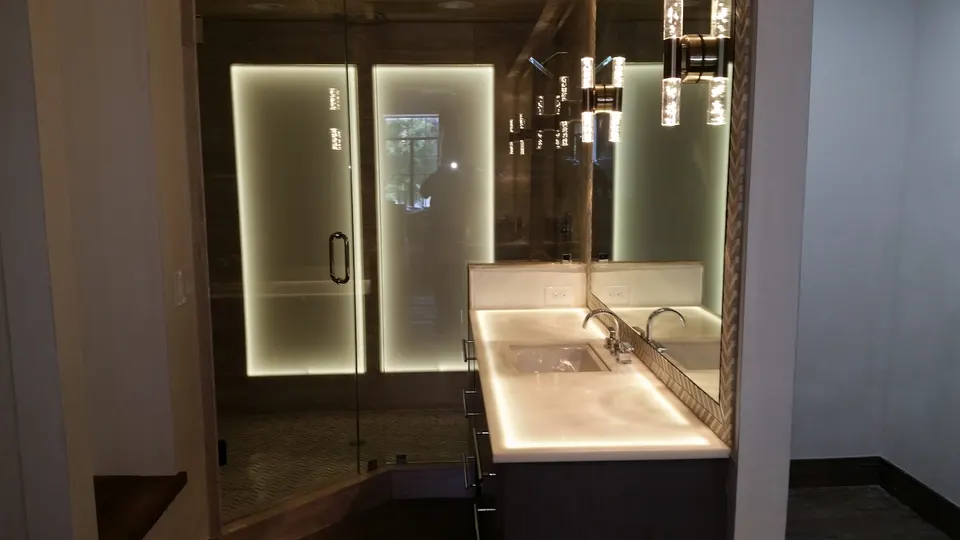
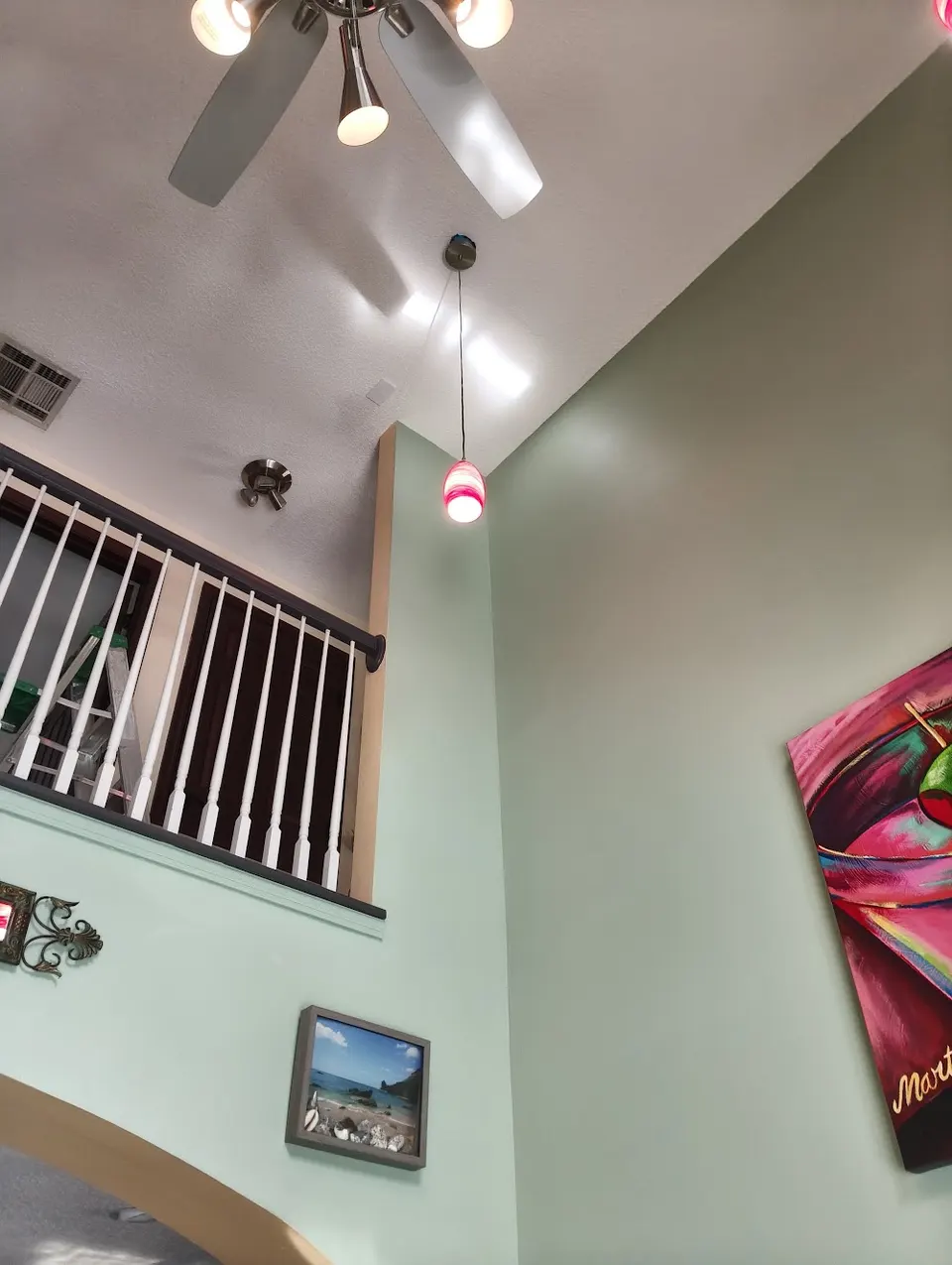
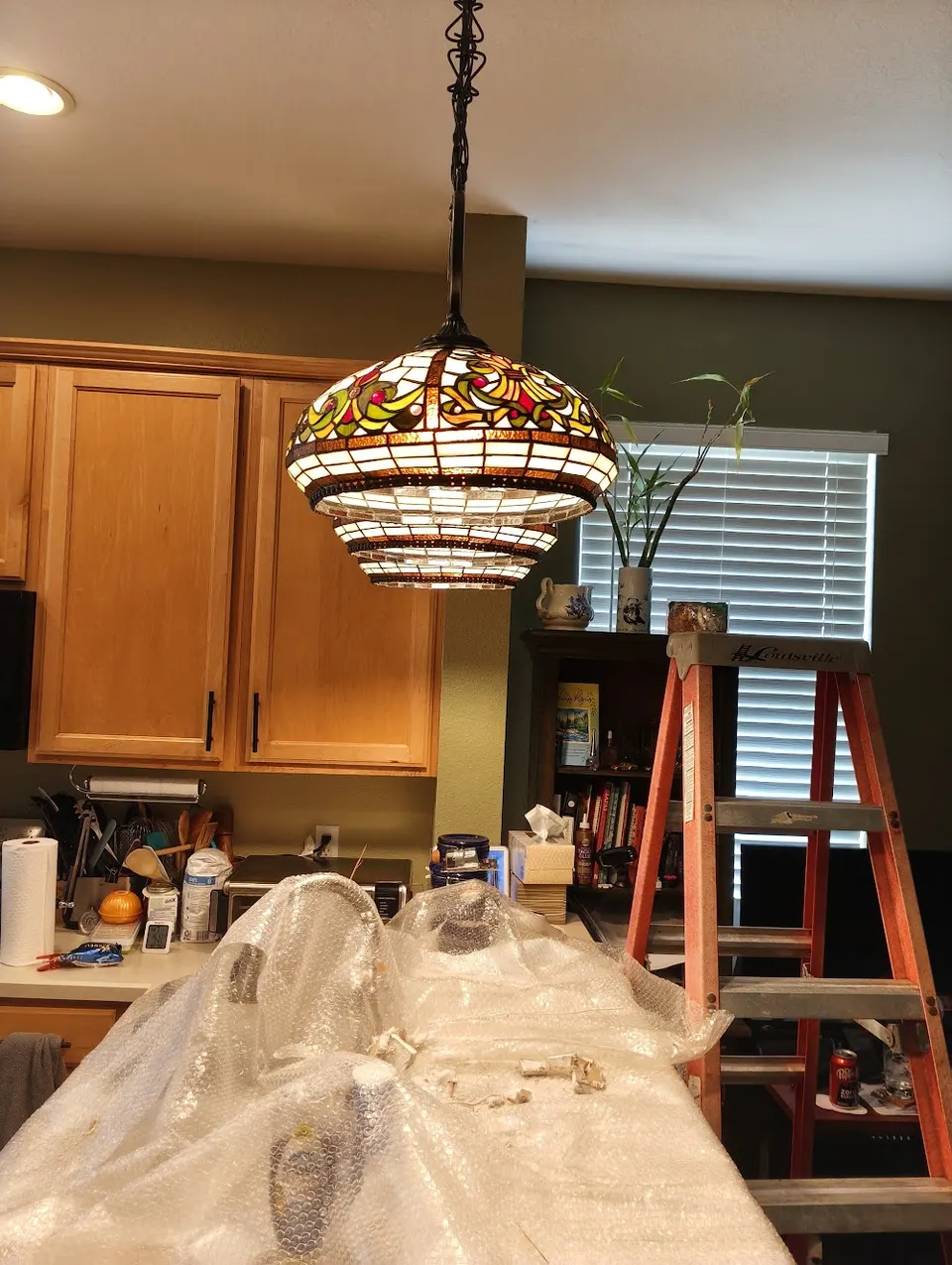
Real reviews, word for word.

"Victor, my tech, was professional, efficient, pleasant and informative. … He went out of his way to do the job correctly."

"Keylin did his best to limit any interruptions to power - honestly was surprised at how little he needed to turn off the power."
"After getting the run around from other electricians I came across In Phase. Wish I found them first."
"Unlike some of their competitors, they don't try to up-sell products that aren't strictly necessary."
Commercial lighting and LED retrofits
Retail, offices and parking lots converted to LED, with occupancy sensors, controls and exterior lighting — lower energy bills and fewer bulb changes.
We handle it. You handle nothing.
Adding new circuits is permitted work; swapping a fixture on an existing circuit generally is not. Remodel and addition lighting falls under the project permit.
It surfaces at resale, in an insurance claim, and in an inspection you did not schedule.
If a bid is dramatically under ours, ask whether the permit is included. Usually that is the difference.
Filed, scheduled, and met. Customers thank our office by name in reviews for exactly this.
Straight answers.
How many can lights do I need?
Depends on ceiling height, room size and what the room is for. We lay it out on the ceiling first so you see it before it is permanent.
Why do my LEDs flicker?
Almost always a dimmer that does not match the driver. It is a cheap fix and we carry the right dimmers.
Can you add lights without tearing up the ceiling?
Usually yes — remodel housings are made for finished ceilings. We cut once, in the right place.
Is under-cabinet lighting worth it?
It is the highest-impact lighting per dollar in a kitchen. Hardwired strips with a concealed driver look built-in; the stick-on kind does not.
Do you patch the drywall?
Yes. Patch and texture included on our lighting work.
What color temperature should I pick?
2700K–3000K for living spaces, 3500K–4000K for kitchens, garages and work areas. We bring samples rather than guess.
Can you add can lights without an attic above?
Yes. Canless wafer lights only need a small hole and fit between joists, so we can add them under a second floor.
Warm or cool white?
Most homes look best at 2700–3000K. Kitchens, garages and work areas often use 3500–4000K.
LED lighting across Central Florida
Get a straight answer before you get a bill.
Free estimate. If you do not need the work, we will tell you — that is the whole reason people come back to us.