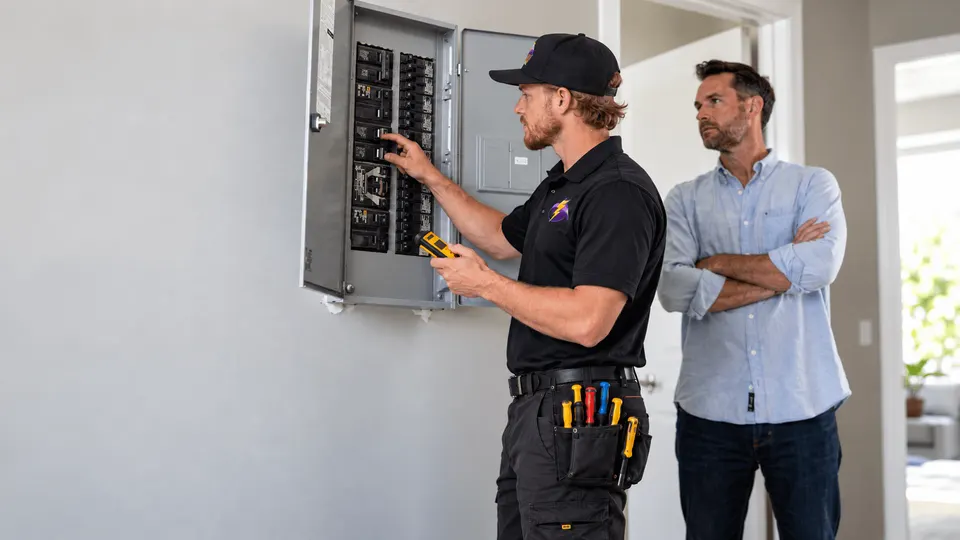
Flickering lights, a breaker that trips every afternoon, or an outlet that feels warm to the touch are not quirks to live with. Each one is an electrical problem asking for attention, and in Orlando homes an electrical problem tends to appear sooner than owners expect. This guide covers the ten clearest signs you need an electrician, explains which electrical issues can wait for a scheduled visit and which cannot, and shows how to match your electrical needs to the right electrical project without overspending.
In Phaze Electric brings more than 30 years of hands-on experience to Central Florida homes and businesses. The advice below reflects the approach the crew takes on every job: honest diagnostics, clear pricing, and a straight answer when an upgrade isn't needed. If you are comparing residential electrical companies or scanning for residential electricians in my area, use this list to decide whether it is time to make the call.
Why Orlando Homes Run Into Wiring Trouble
Central Florida is hard on a home's electrical system. Heat keeps air conditioners running most of the year, humidity works its way into outdoor fixtures and panels, and summer storms send surges through the grid. Add the age of many neighborhoods, from College Park bungalows to Conway ranch homes, and the electrical system in a typical house carries loads it was never designed for. The electrical service entering the home may be the same size it was decades ago, even though the household's electrical needs have doubled.
Three forces explain most electrical problem calls in the area:
Understanding these forces matters because it separates a one-time electrical problem from a pattern. A single tripped breaker after a power outage is normal. A breaker that trips weekly points to an electrical system that has outgrown its design.
10 Signs You Need an Electrician
Not every warning carries the same urgency. Signs 1 through 4 describe active hazards that deserve a call today. Signs 5 through 10 describe electrical issues that are safe to schedule but should not sit for months.
1. Breakers Trip Again and Again
A breaker exists to cut power the moment a circuit overloads or a fault appears. One trip while the microwave and a window AC run together can simply mean too many appliances on one circuit. Repeated trips, or a breaker that refuses to reset, mean something deeper is wrong with the electrical system: an overloaded circuit, a loose connection, or a breaker that has failed internally.
A qualified technician can test the circuit, find the cause, and fix it. Resetting the breaker over and over only hides the electrical problem and keeps heat building inside the panel. Frequent trips are also one of the clearest signs that your electrical needs have outgrown your electrical service.
2. Lights Flicker or Dim
Lights that dim when the AC compressor starts are a common electrical problem in older Orlando homes, and they point to an electrical service that struggles under load. Lights that flicker at random, in more than one room, can signal a loose neutral connection at the panel, which is among the more serious electrical issues a home can have.
Treat widespread flickering as urgent. A loose connection can overheat, and an overheated connection is a fire risk. Safe repairs start with finding the loose point, not replacing bulbs.
3. Outlets, Switches, or the Panel Feel Warm
Outlets and switches should never feel hot. Warm cover plates, discolored outlets, or a faint burning smell mean a connection is failing and generating heat. Warmth at the panel cover is just as serious.
Turn off the affected circuit if you can do so safely and call a pro the same day. This is one of the electrical issues that cannot wait for a convenient appointment, and it is an electrical problem that should never be treated as a do-it-yourself electrical project.
4. You Hear Buzzing, Crackling, or Sizzling
A healthy electrical system is silent. Buzzing from a panel, crackling from an outlet, or sizzling from a switch signals arcing, where electricity jumps across a gap. Arcing is a leading cause of electrical fires, which makes it a hazard to take seriously even when everything still seems to be working.
5. Your Home Still Has a Fuse Box or an Outdated Panel
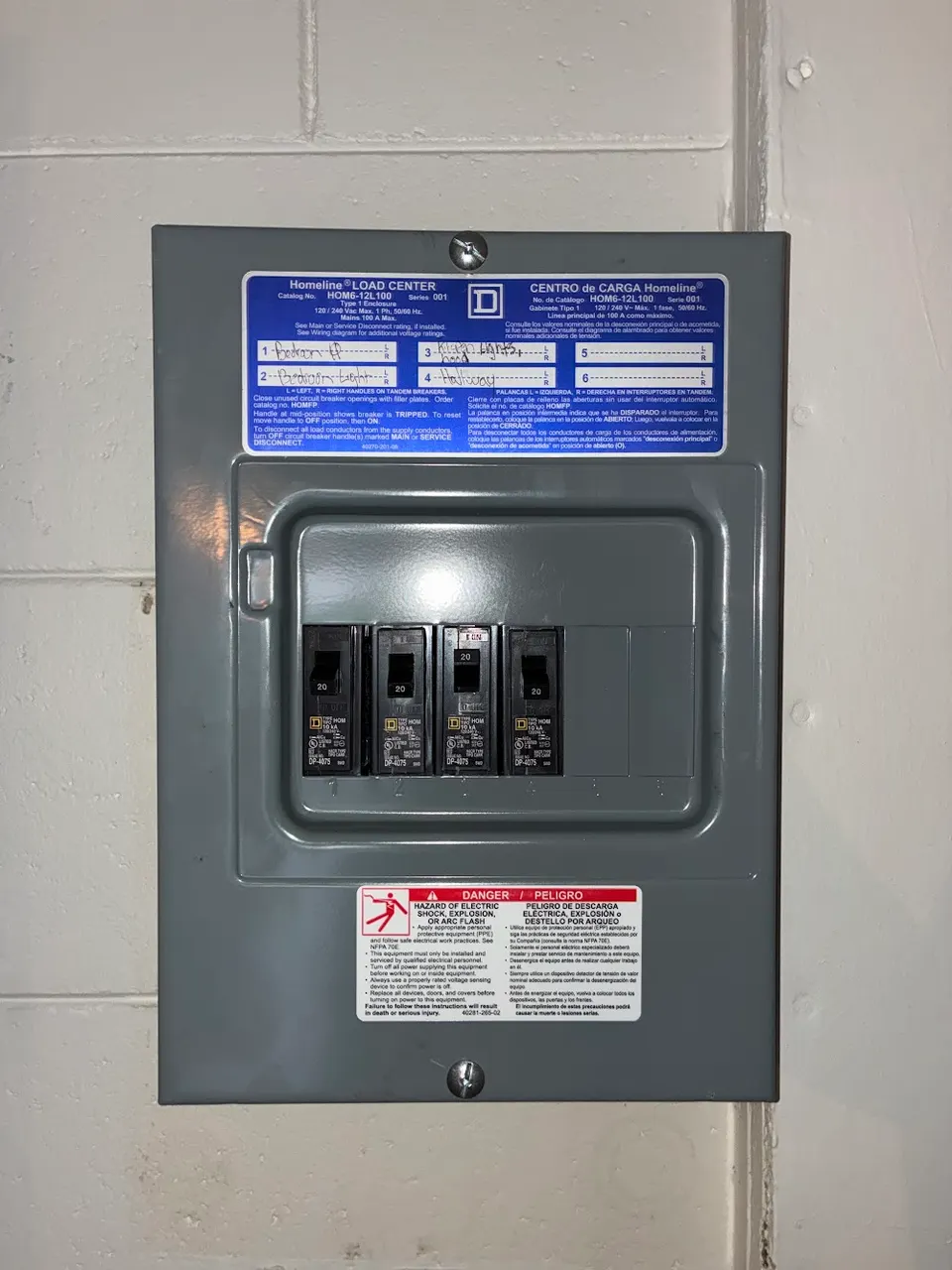
Homes with 60 to 100 amps of electrical service, or a fuse box that is still in use, struggle to meet modern electrical needs. A panel upgrade restores capacity, adds modern protection, and brings the home closer to current code. In Phaze Electric replaces both interior and exterior panels, files the permits, and schedules the inspection, so the electrical service is documented and ready for the future.
If your insurance company has asked about your panel brand or age, treat that as a prompt for an evaluation. A short inspection will tell you whether the panel is fine or whether the electrical system needs a larger service entrance.
6. You Rely on Extension Cords and Power Strips
If every wall outlet is full and extension cords run across the floor, the house has more electrical needs than it has outlets. Cords are not designed to replace permanent wiring, and overloaded strips are a common source of heat and tripped breakers.
New outlets, dedicated circuits for the kitchen and home office, and additional receptacles in the garage are small electric installations that remove the problem for good. These electric installations are an easy electrical project that improves daily convenience as much as safety.
7. Outlets Have Only Two Prongs or Won't Hold a Plug
Two-prong outlets mean the circuit has no ground, which removes a key layer of shock protection. Loose outlets that let plugs fall out indicate worn contacts that can arc. Replacing receptacles is routine electrical work and one of the least expensive ways to improve the safety of the electrical system.
8. Your Home Has Aluminum or Cloth Wiring
Houses wired in the 1960s and 1970s sometimes contain aluminum branch wiring, and homes built before 1960 may still have cloth-insulated wiring. Both materials degrade and can cause overheating at connections. Remediation or a whole-home rewire is a larger electrical project, but it is also one of the most meaningful upgrades an older home can receive. Many of the electrical issues in older houses trace back to the wiring itself rather than to the devices connected to it.
9. GFCI Outlets Won't Reset or Trip Constantly
GFCI outlets protect people around water, so kitchens, bathrooms, garages, and outdoor outlets are required to have them. A GFCI that will not reset, or trips whenever it rains, indicates moisture in the circuit or a failing device. In Florida's humidity this electrical problem is common, and the repair is quick when it is caught early. Moisture-related electrical work is also one of the most frequent reasons homeowners call after a storm.
10. You Feel Shocks or Tingling
Any shock from an appliance, switch, or faucet is a sign of a wiring fault or missing ground. Even a mild tingle is a warning. Stop using the item and book an electrician. This is another electrical problem where waiting only raises the risk, and it is one of the electrical issues that deserves a full inspection of the electrical system.
Warning Signs That Can't Wait
Use this quick sorting guide to decide how fast to act:
If you see smoke or flames, leave the building and call 911 before anything else.
How to Prepare for an Electrical Project
Whether the trigger is an electrical problem or a long-planned upgrade, a little preparation makes any electrical project faster and more affordable. Use these steps before you book:
When Your Electrical Needs Change: Upgrades and New Installations
Not every call starts with a problem. Many start with a plan. A growing family, a new pool, a kitchen remodel, or an electric vehicle can all change your electrical needs, and the best time to review the electrical system is before the new load arrives. Matching the right service size to your electrical needs prevents the overloads that cause the electrical problem calls described above.
Common electric installations In Phaze Electric handles include:
Smart-home devices, backup power, and heavier kitchen appliances keep raising household electrical needs every year. Reviewing your electrical needs at each stage of homeownership helps you spot electrical issues early, budget for electric installations, and sequence each electrical project so nothing is done twice.
Planning an electrical project in stages often saves money. A single visit can combine a new panel with new circuits and an EV charger, rather than three separate trips. Each electrical project goes smoother when permits, inspections, and scheduling are handled together, and every completed electrical project leaves the home better prepared for the next set of electrical needs.
Residential and Commercial Electrical Needs Are Different
The signs above apply to homes, but offices, retail spaces, and rental properties face their own electrical issues. Commercial spaces run longer hours, carry heavier loads, and answer to different code requirements. Matching electrical needs to the building type is the first step in avoiding costly electrical issues. A commercial electrician plans for three-phase power, higher-capacity panels, and lighting layouts that serve customers and staff. The electrical needs of a restaurant are not the electrical needs of a dental office, and a good commercial electrician plans accordingly.
If you manage a business or an investment property in Central Florida, look for an experienced commercial electrician who also handles homes. In Phaze Electric provides residential and commercial electrical services, so a property owner can use one trusted company for a home, a rental, and a storefront. A commercial electrician with residential experience also tends to explain problems more clearly, which helps landlords and tenants alike. For businesses, reliable commercial electrical service means less downtime, safer buildings, and an electrical system that grows with the company.
Electrical Needs by Home Type
No two houses have the same electrical needs. Five common Orlando property types show how electrical needs, the right electrical project, and the best electric installations differ from one building to the next.
Older Homes Built Before 1980
Older homes usually have a smaller electrical service, fewer circuits, and wiring that predates today's appliances. The typical electrical project here combines panel replacement, receptacle replacement, and a few dedicated circuits. Electrical needs in these houses look modest on paper but feel heavy in practice, because modern electric installations such as central AC, microwaves, and chargers all land on infrastructure from another era.
Newer Homes and Remodels
Newer homes start with better capacity, but remodels change the picture. A kitchen remodel, a finished garage, or a new addition is an electrical project that adds circuits and load. Planning the electric installations during the remodel, before the walls close, keeps the electrical needs of the finished space covered and keeps the cost of the service work down.
Homes with Pools and Outdoor Living
Pool pumps, heaters, outdoor lighting, and outdoor kitchens create some of the most demanding electrical needs in Central Florida, and they sit in the most moisture-exposed part of the property. Every outdoor electrical project needs GFCI protection, proper bonding, and weather-rated electric installations. Moisture is the top cause of electrical issues outdoors, and it is the reason an outdoor electrical system should be inspected after major storms.
Homes with Electric Vehicles
An EV changes household electrical needs overnight. A Level 2 charger is one of the largest continuous loads a home will carry, so the electrical service and panel must have room for it. Many EV owners learn this the hard way, when an electrical problem such as a tripping breaker shows up in the first week. A short evaluation before the electrical project begins avoids that surprise, and installing the dedicated circuit is now one of the most common electric installations on the schedule.
Rental Properties and Small Businesses
Landlords and small-business owners juggle the electrical needs of several tenants, and one failure can trigger complaints and downtime. A planned electrical project, such as a panel refresh or an LED lighting retrofit, protects the building and reduces emergency calls. A commercial team can also document the electrical system for insurers and inspectors, which makes every future electrical project easier to price.
Keep Your Electrical System Healthy Between Visits
Routine attention catches electrical issues before they become emergencies. These habits cost almost nothing:
How to Choose an Electrician
Searching "residential electrical companies" returns a long list. These checks help you narrow it down:
Local knowledge matters too. A team that works in Orlando, Winter Park, Maitland, Lake Mary, Kissimmee, and nearby cities already understands local permitting, older housing stock, and Florida's weather. That experience makes every electrical project more predictable.
What to Expect from In Phaze Electric
Every electrical project starts with a conversation. Here is how a typical visit unfolds:
This approach reflects the company's promise as "Your Electrician For Life": transparent electrical services built on trust rather than pressure.
Don't Wait on the Warning Signs
An electrical problem rarely fixes itself. Breakers that trip, lights that flicker, and outlets that run warm are warnings from your wiring, and early action keeps small fixes small. Understanding your electrical needs today makes tomorrow's upgrades and electric installations simpler and prevents avoidable electrical issues. Whether you need a quick repair, a new panel, or help with a larger electrical project, In Phaze Electric is ready to help Orlando and Central Florida homeowners and businesses.
Call (407) 599-7777 to schedule your estimate and get an honest answer from a licensed electrician with more than 30 years of experience.
Quick answers
How do I know if I need an electrician or can fix it myself?+
How much does it cost to hire an electrician?+
Can one company handle both repairs and new installations?+
Who is responsible for the permit on an electrical project?+
Do you need a permit for electrical work?+

Owner of In Phaze Electric. Navy veteran, 30 years on the tools, Florida license ER13014254. If the answer is “you don’t need us,” he’ll say so.
MEET TONY →